
Why I Built It
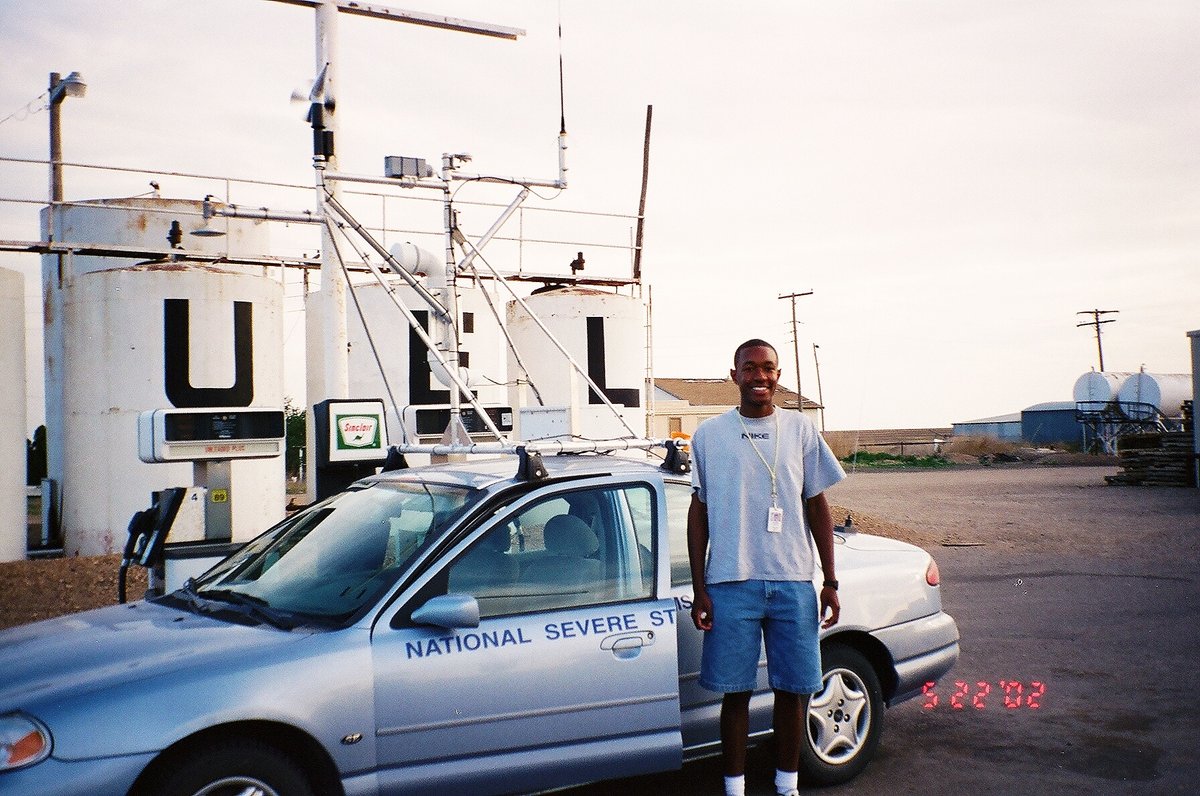
I’m a storm chaser (in my free time) with a master’s in meteorology, and I only get to be in one place at a time. Most forecasts tell you what might happen. I wanted one that tells me where to go, and only when the trip is likely to pay off.
So I built one. The Storm Chasing Forecast covers the whole Lower 48 and updates itself four times a day. It only says GO when forecasts like it have paid off more than 50% of the time.
What It Covers
The forecast looks for the four things worth chasing:
- Hail: golf ball size or bigger.
- Tornadoes: EF1 or stronger, in daylight.
- Big snow: a foot or more in 24 hours.
- Extreme rain: 5 inches or more.
It looks at three time ranges. Hail and tornadoes are called for today and tomorrow, with an early heads-up two and three days out. Big snow and extreme rain are called for the next 72 hours. A week-ahead outlook covers snow and rain 6 to 10 days out. There is also a section just for lake-effect snow off Lake Ontario.
It updates automatically four times a day.
How to Read a Call
Here is a real call from Thanksgiving week 2026:
Big snow GO · 17 mi from Marblemount, WA · 30-mile circle · a foot in 24 hours: 98%, 2 feet in 24 hours: 63%
Piece by piece:
- Big snow GO: this one is worth chasing.
- 17 mi from Marblemount, WA: the center of the target, high in the North Cascades. Exact coordinates are on the line below it.
- 30-mile circle: the target area. The call counts if the snow falls anywhere inside it.
- A foot in 24 hours: 98%: on past forecasts like this one, a foot of snow fell inside the circle 98% of the time.
- 2 feet in 24 hours: 63%: two feet fell 63% of the time.
Under each call you also get the forecast amount and when it starts, peaks and ends, in local time. A reading guide at the bottom of the forecast explains every term.
GO or NO GO
Every call follows one rule: it only says GO when forecasts like it have paid off more than 50% of the time.
That sounds simple, but most forecasts do not work this way. They tell you something is possible, and you find out later whether the trip was worth it. Here, every GO comes with a percent that shows how often calls like it actually delivered.
If a setup does not clear that bar, it reads NO GO. That does not mean nothing will happen. It means the odds are not good enough to drive for.
Most days, most sections read NO GO. That is the point. When it says GO, it means it.
The AI Side
This is an AI project as much as a weather one. My master’s thesis at Penn State used neural networks to predict hurricane damage, so pairing machine learning with weather is not new for me.
The forecast blends leading weather models with AI severe weather guidance. Every rule was tested on past seasons before it went live, and AI tools now run and publish the forecast four times a day.
See Today’s Forecast
The forecast is free, and updates four times a day:
It is not an official severe weather forecast. Always follow National Weather Service warnings, and stay safe out there.